
Case Studies
Gillette "The Best Men Can Be": When a Purpose Campaign Divided Its Own Customers
In January 2019 Gillette rewrote its 30-year-old slogan to ask men to stand up to bullying and harassment. The film was praised by some and furiously rejected by others, and it became one of the most disliked brand videos on YouTube.
Gillette
Dollar Shave Club: How a $4,500 Launch Video Took On Gillette
In March 2012 a start-up nobody had heard of posted a 90-second video of its founder walking through a warehouse and swearing about razors. It reportedly brought in 12,000 orders in two days, and four years later Unilever bought the company for a reported $1 billion.
Dollar Shave Club
Popeyes Chicken Sandwich: How One Tweet Started a War and Sold Out a Menu Item Nationwide
Popeyes launched a chicken sandwich in August 2019 with little fanfare. A week later, a two-word reply to Chick-fil-A on Twitter turned it into a national obsession, and the sandwich sold out across the US within about two weeks.
Popeyes
Barbie Movie Marketing: How Warner Bros. and Mattel Turned a Film Release Into a Summer-Long Event
Barbie's 2023 marketing did not just advertise a film. It made the colour pink a cultural moment, gave fans templates to make their own content, and signed up brands from Airbnb to Xbox, until going to the cinema felt like joining in.
Barbie
Domino's Pizza Turnaround: The Brand That Admitted Its Pizza Was Bad
In December 2009 Domino's ran national ads showing customers calling its crust cardboard and its sauce ketchup. Then it changed the recipe and said so. The confession was the start of one of the biggest turnarounds in restaurant history.
Domino's
Nike Air Jordan: How a Rookie Deal Built a Multibillion-Dollar Brand Within a Brand
In 1984 Nike was a running company losing ground to Reebok, and Michael Jordan wanted to sign with Adidas. Nike bet its basketball budget on one rookie, gave him his own shoe, and turned a controversy over its colours into the launch campaign.
Nike
Burger King Tweeted the Wrong Sentence First
The tweet read 'Women belong in the kitchen.' The scholarship announcement was three tweets below. Most people never got that far. A lesson in platform mechanics, earned provocation, and the cost of being clever.
Burger King
Walmart Tried to Go Upscale and Removed the Products Its Customers Needed
Project Impact was Walmart's attempt to become a destination for more affluent shoppers. It worked so well at alienating its core customers that the company reversed course and spent years trying to win them back.
Walmart
Microsoft Zune: What Happens When You Challenge a Category Leader Without a Real Reason to Switch
The Zune was actually a decent music player. The hardware was competitive, the design was fine, and the Zune Pass subscription was ahead of its time. None of it mattered because Microsoft gave people no compelling reason to leave the iPod ecosystem.
Microsoft
Yahoo Had Everything Except an Answer to the Question: What Are We?
Marissa Mayer's 30-day logo redesign was absurd, but it was a symptom, not the disease. Yahoo's real problem was that it couldn't decide what company it was — and no logo fixes that.
Yahoo
Sears Had Everything It Needed to Win. It Still Lost.
Sears had DieHard, Kenmore, Craftsman, and 125 years of American consumer trust. It went bankrupt anyway — because having great assets isn't the same as knowing what you stand for.
Sears
Ron Johnson Broke JCPenney in 17 Months
Ron Johnson turned Apple's retail stores into cathedrals of desire. Then he tried the same playbook on JCPenney's coupon-clipping customers, and destroyed $4.3 billion in revenue in a single year.
JCPenney
The Tiffany Rebrand That Tried to Do Too Much at Once
LVMH paid $15.8 billion for Tiffany and then spent two years trying to make it something it wasn't. The 'About Love' campaign had Beyonce and Jay-Z. It still didn't work.
Tiffany & Co.
Supreme x Louis Vuitton: The Collaboration That Rewrote Fashion's Rules
When a New York skate brand partnered with the most storied French luxury house, the result wasn't a compromise — it was a cultural earthquake that validated two brands simultaneously.
Supreme
How Gucci Became the First Luxury Brand to Actually Get the Internet
While other luxury houses were debating whether to post on Instagram, Gucci was commissioning memes and launching TikTok campaigns. The results were undeniable.
Gucci
How Burberry Used UGC to Escape Its Hooligan Problem
In 2009, Burberry launched a UGC platform years before Instagram made that concept mainstream. The result was one of the most effective luxury brand repositioning stories of the decade.
Burberry
Warriors: How League of Legends Gave Esports Its Anthem
Riot Games commissioned Imagine Dragons to write 'Warriors' for the 2014 League of Legends World Championship. It wasn't just a marketing campaign. It was the moment esports stopped asking permission to be taken seriously.
League of Legends
Life Is Short: The Xbox Ad That Got Banned and Won Anyway
An Xbox ad showed a baby launched from a womb at high velocity, aging in seconds, and dying in a grave. The UK banned it. Microsoft got more attention than any media buy could have purchased. It's the textbook on productive controversy.
Xbox
Double Life: The Ad That Made Gaming Grow Up
A dark, poetic monologue about people secretly living as criminals and warriors. No gameplay. No product shots. Just a confession. The PlayStation 'Double Life' ad won Cannes and changed how the world thought about gaming.
PlayStation
Nintendo Wii: How Losing the Specs War Won the Console War
Sony and Microsoft were fighting a hardware war. Nintendo stepped out of the fight entirely, redefined who gaming was for, and sold 100 million consoles to people who didn't think they were gamers.
Nintendo
When to Fight Back: Hertz and the Art of the Competitor Response
Avis admitted it was number two and built a brand around trying harder. Hertz ignored it, then watched its lead erode. When Hertz finally responded, the ad became a textbook in how to fight back without ceding the narrative.
Hertz
You Deserve a Break Today: How McDonald's Sold Rest, Not Food
McDonald's greatest ad campaign never talked about the food. Instead, it told busy Americans they deserved a break. Ad Age called it the greatest advertising campaign of the 20th century.
McDonald's
The Cola Wars: What Happens When Marketing Beats the Product
Pepsi ran a blind taste test. People preferred Pepsi. Coke panicked. Changed their formula. Lost their minds. Then won anyway. The Cola Wars are the purest case study in what brand actually does to the human brain.
Pepsi
How Levi's Used a Launderette and Marvin Gaye to Sell a Million Pairs of Jeans
A model strips in a launderette. Marvin Gaye plays. An entire country runs to buy the same jeans. The Levi's Launderette ad is the textbook on how music, desire, and nostalgia can resurrect a dying brand.
Levi's
Here's to the Crazy Ones: How Apple Saved Itself With a Brand Campaign
In 1997, Apple was weeks from bankruptcy. Steve Jobs came back and launched 'Think Different' — a campaign that didn't mention a single product. It worked.
Apple
The Ad That Called Its Own Product a Lemon
In 1960, Volkswagen ran a print ad with a single headline: 'Lemon.' It was about a car they rejected. It became one of the most effective ads ever made.
Volkswagen
Shot on iPhone India: When Apple Let Indian Photographers Tell Their Own Stories
Apple's global 'Shot on iPhone' campaign used photographs from around the world. When Apple India created a localised version in 2018, it chose images that could only have been made in India — colour, chaos, festivals, and streets that didn't look like any other campaign the brand had ever run.
Apple India
The Crumbliest, Flakiest Chocolate: Cadbury Flake's 40-Year Sensory Brand
Cadbury Flake's advertising from the 1960s through the 1990s showed women in solitary, sensory moments — in a bath, in a field, on a bridge — eating chocolate with visible pleasure. It was one of the most explicitly sensual mainstream confectionery campaigns ever made, and it defined the product's positioning for four decades.
Cadbury Flake
Sony Bravia Balls: 250,000 Superballs and a Hill in San Francisco
Sony needed to demonstrate that the Bravia television displayed more vivid colour than any other screen. Fallon London's answer: buy 250,000 superballs, block off Filbert Street in San Francisco, and film them bouncing down it. The ad ran for ninety seconds and contained exactly zero CGI.
Sony
Honda Cog: The Two-Minute Chain Reaction That Took 606 Takes
Honda's 'Cog' is a two-minute chain reaction built entirely from Accord parts — no CGI, no camera tricks. It took 606 attempts before it worked in one take. The ad aired on British television in 2003 and became the most requested commercial in the BBC's history. It also cost nearly £6 million to make.
Honda UK
Monty the Penguin and the John Lewis Christmas Playbook
John Lewis didn't invent the Christmas ad. But from 2011 onward, it turned the annual Christmas commercial into a cultural event that people anticipated the way they anticipated the holiday itself. Monty the Penguin (2014) is the pinnacle of this strategy — and a blueprint for how retail advertising can transcend the category.
John Lewis
Daag Achhe Hain: How Surf Excel Turned Dirty Clothes Into a Philosophy
Surf Excel's competitors said dirt was the enemy. Surf Excel said dirt was proof of a life lived fully. 'Daag Achhe Hain' — stains are good — was a counter-positioning move that reframed the entire detergent category and ran for nearly two decades.
Surf Excel (HUL)
Swiggy Voice of Hunger: When Food Delivery Met Instagram Creativity
Swiggy asked Instagram users to draw a food item using only the voice memo waveform — a squiggle that looks like a sound wave. The constraint turned an abstract interface element into a creative challenge that millions of people tried. It won the Grand Prix at Cannes Lions 2019 for Creative Use of Technology.
Swiggy
Zomato's Brand Voice: How a Food Delivery App Became the Wittiest Brand on the Internet
Zomato didn't build its brand through television campaigns or celebrity endorsements. It built it through Twitter jokes, email subject lines, and push notifications that users actually looked forward to receiving. In 2019, its brand voice was as recognisable as its red logo.
Zomato
Flipkart's Big Billion Days Disaster: When Demand Outran Capability
Flipkart called October 6, 2014 'The Big Billion Day' — a 24-hour sale designed to make history. It did. The website crashed, prices fluctuated wildly, products sold out instantly, and buyers who saw deals discovered them gone or changed before checkout. Twitter erupted, and Sachin Bansal and Binny Bansal were forced to issue a public apology.
Flipkart
Hyundai's India Launch: Arriving at the Exact Right Moment
When Hyundai launched in India in 1998, the Maruti 800 had owned the small car market for over a decade. The Santro wasn't just a new car — it was Hyundai's first attempt to build a car specifically for Indian roads, and its launch campaign positioned it as the future that India was ready for.
Hyundai India
ZooZoos: How Vodafone India Created a Character Campaign That Became a Cultural Phenomenon
ZooZoos are egg-headed, balloon-bodied creatures that Vodafone India created to explain mobile value-added services during IPL 2009. Vodafone released 25 different ZooZoo ads across the two-month tournament. Indians fell in love with them — and they became more famous than most of the services they were advertising.
Vodafone India
Da Da Ding: How Nike India Rewrote What Women's Sports Advertising Could Sound Like
Nike India launched 'Da Da Ding' in 2016 to coincide with the Rio Olympics — a two-minute film featuring Indian female athletes across eight sports set to a track produced specifically for the campaign. It became the most-watched Nike India video ever and changed how brands talked to Indian women about sport.
Nike India
15 Minutes Could Save You 15%: The Tagline That Turned a Tiny Insurer Into a Household Name
In 1999, Geico was a mid-sized auto insurer that almost nobody outside the mid-Atlantic could name. By 2011, it was the second-largest auto insurer in the United States. The line '15 minutes could save you 15% or more on car insurance' is one of the reasons why.
Geico
The Best or Nothing: How Mercedes-Benz Reclaimed Its Premium Positioning
By 2009, Mercedes-Benz had a problem. It was still selling well, but its brand had drifted. The cars were getting excellent reviews but the company was no longer the aspirational benchmark it had been in the 1980s. 'The Best or Nothing' was the corrective — a return to the founder's own words.
Mercedes-Benz
Made Possible by Hosts: Airbnb's Pandemic Pivot From Guest to Host Story
COVID-19 nearly destroyed Airbnb. The company laid off 25% of its workforce in May 2020 and cancelled its planned IPO. When travel returned, Airbnb didn't run an ad about beautiful destinations — it ran one thanking the hosts who had kept the platform alive through the worst year in travel history.
Airbnb
Shot on iPhone: How Apple Turned Its Customers Into Its Ad Agency
Apple launched 'Shot on iPhone' in 2015 by collecting the best photos taken by real iPhone users and putting them on billboards in 25 countries. It was the most honest camera ad ever made: the product demo was the ad, and the ad was the proof.
Apple
Reddit's 5-Second Super Bowl Ad: How to Win the Super Bowl Without a Super Bowl Budget
Reddit bought five seconds of Super Bowl LV air time and used it to show a wall of text that no one could read before it disappeared. The ad was about the GameStop short squeeze and the power of internet communities — and it became the most talked-about ad of the night despite costing a fraction of a full spot.
Reddit
Stranger Things x Burger King: The Upside Down Whopper That Ate Netflix's Marketing Budget
For the launch of Stranger Things Season 3 in 2019, Burger King sold a Whopper served upside down — bun on the bottom, sesame seeds facing the tray. It sounds like a cheap stunt. It got over 6 billion media impressions. And it didn't cost Netflix a dollar.
Burger King
It's a Tide Ad: How Tide Hijacked Every Other Super Bowl Commercial
Tide spent Super Bowl LII running four ads that began by looking like ads for other categories — beer, cars, Old Spice — before David Harbour turned to camera and said 'It's a Tide ad.' Every other commercial that aired that night suddenly looked like it might also be a Tide ad.
Tide
Cards Against Humanity Holiday Bullshit: Anti-Marketing as the Most Effective Marketing
Every holiday season, Cards Against Humanity does something deliberately absurd — selling 'nothing,' raising prices on Black Friday, digging a hole for no reason — and every year the press coverage is worth millions in earned media. It is anti-marketing executed with more marketing discipline than most conventional campaigns.
Cards Against Humanity
Ryan Reynolds' Aviation Gin Peloton Response: Newsjacking in Under 72 Hours
Peloton's 2019 holiday ad was called sexist and mocked globally within 48 hours. Ryan Reynolds cast the same actress in an Aviation Gin ad showing her drinking with friends in stunned silence — and released it three days after the Peloton ad went viral. It's the fastest major brand campaign turnaround on record.
Aviation Gin
Cheetos Hands: How Lil Nas X and TikTok Turned a Snack Stain Into a Campaign
Cheetos built a Super Bowl campaign around a single consumer truth: when your fingers are covered in Cheetos dust, you have a perfect excuse to avoid doing things you didn't want to do anyway. Lil Nas X played himself getting caught, and the internet did the rest.
Cheetos
How Notion's Templates Turned Customers Into a Distribution Engine
Notion didn't run advertising campaigns or hire a traditional marketing team for most of its growth. Instead, it built a template ecosystem and let users do the promoting — creating a distribution model where the product's flexibility was also the marketing strategy.
Notion
Atlassian Team Playbook: The Free Resource That Became the Company's Best Sales Tool
Atlassian published a free collection of team exercises and meeting formats called the Team Playbook in 2016. It had nothing to sell you directly. It just taught companies how to run better teams — and quietly made Atlassian the software company every healthy team wanted to use.
Atlassian
Getting Real: How Basecamp's Anti-Corporate Manifesto Became Its Most Effective Marketing
In 2006, 37signals published 'Getting Real' — a manifesto against bloated software, venture capital, and conventional startup wisdom. It sold over 26,000 copies and became the most effective piece of marketing the company that would become Basecamp ever produced.
Basecamp (37signals)
Intercom's Brand as Product: How Design and Voice Became a Competitive Moat
Intercom is a customer messaging platform in a market crowded with messaging platforms. It survived and scaled by making design and brand voice so distinctive that its product felt different before you'd even used it — a rare achievement in enterprise software.
Intercom
Drift and the Category That Didn't Exist Yet: How Conversational Marketing Was Invented
Drift launched into a crowded B2B sales tool market and decided the only way to win was to stop competing in an existing category and create a new one. 'Conversational marketing' didn't exist before 2016. Drift spent three years making it the only term that mattered.
Drift
MailKimp? SerialMom? How Mailchimp's Podcast Mispronunciation Campaign Became a Masterclass in Audio Branding
Droga5 created nine fake companies with names that sounded vaguely like 'Mailchimp' — MailShrimp, KaleLimp, JailBlimp — and sponsored Serial Season 2 with them instead. It was one of the most talked-about campaigns of 2017 and made Mailchimp the brand everyone was trying to figure out.
Mailchimp
Dreamforce: How Salesforce Turned a Tech Conference Into a Brand Religion
Dreamforce started with 1,000 Salesforce customers in San Francisco in 2003. By the late 2010s it had grown into one of the world's largest software conferences, with 170,000 registered attendees and headliners like Michelle Obama — and it became Salesforce's most effective marketing vehicle.
Salesforce
HubSpot's Inbound Playbook: How a Software Company Invented Its Own Marketing Category
HubSpot didn't just sell marketing software — it invented the term 'inbound marketing,' published a textbook's worth of free content, and turned its own marketing into the most powerful proof of concept in B2B SaaS history.
HubSpot
Squarespace's Existential Super Bowl: Adam Driver Asks If the Internet Needs Another Website
Squarespace asked Adam Driver a genuinely strange question for a Super Bowl ad: does the internet need another website? The 2022 campaign leaned into philosophical absurdity rather than feature pitches, and in doing so made Squarespace feel like a brand with a point of view rather than just a tool.
Squarespace
So Yeah, We Tried Slack: The Anti-Corporate B2B Campaign That Actually Worked
Slack's 'So Yeah, We Tried Slack' campaign broke every rule of enterprise software marketing: no jargon, no ROI charts, no enterprise testimonials. Just honest, conversational accounts of how real teams changed the way they worked. It made B2B marketing feel human.
Slack
Har Ghar Kuch Kehta Hai: Asian Paints Turns Walls Into Emotion
Asian Paints turned wall paint into an emotional category by claiming the most intimate territory possible: home. 'Har Ghar Kuch Kehta Hai' (Every Home Says Something) made colour choice a statement of identity and turned Asian Paints into India's most trusted home brand.
Asian Paints
Kuch Khaas Hai: How Cadbury Made Chocolate the Language of Celebration in India
In 1994, a young woman ran onto a cricket field and danced while her boyfriend hit a six. With that 30-second spot, Cadbury repositioned Dairy Milk from a children's treat to the chocolate of Indian celebrations. The campaign ran for a decade and changed the category permanently.
Cadbury
Utterly Butterly Delicious: Amul's 60-Year Running Commentary on India
Since 1966, the Amul girl has appeared on hoarding boards across India, commenting on political scandals, cricket matches, Bollywood controversies, and world events with puns sharp enough to make people stop their cars. It is the longest-running outdoor advertising campaign in Indian history.
Amul
United's 'Re-Accommodate' Crisis: When PR Language Became a Viral Punchline
When United Airlines forcibly removed Dr. David Dao from an overbooked flight in April 2017, the video went viral within hours. United's initial response, describing the incident as 're-accommodating' a passenger, turned a PR crisis into a communications textbook lesson in how not to apologise.
United Airlines
Susan G. Komen and Planned Parenthood: What Happens When a Charity Blinks
When Susan G. Komen defunded Planned Parenthood and then reversed course within three days, it managed to alienate both sides of the abortion debate and emerge with its credibility intact on neither.
Susan G. Komen
Cosmopolitan Yogurt: The Magazine That Couldn't Sell Dairy Products
Cosmopolitan magazine launched a line of yogurt in 1999 and discovered that brand equity built on glamour and confidence has nowhere to go in the dairy aisle.
Cosmopolitan (Hearst)
Coca-Cola Blak: What Happens When a Mass Market Brand Tries to Be Sophisticated
Coca-Cola Blak tried to be a sophisticated adult drink by combining cola with coffee — and ended up belonging nowhere.
Coca-Cola
Harley-Davidson Perfume and Cake Decorating Kits: The Limits of Brand Licensing
When Harley-Davidson put its name on cologne and cake decorating kits in the 1990s, it discovered that brand love doesn't automatically translate into brand permission.
Harley-Davidson
Betamax vs VHS: Why the Better Technology Lost the Market
Sony's Betamax was technically superior to VHS by most engineering measures. It still lost one of the most consequential format wars in consumer electronics history — not through bad technology, but through a series of strategic marketing and licensing decisions that handed JVC the market.
Sony
Microsoft Bob: When Friendly Design Became Condescending Software
Microsoft Bob replaced the Windows desktop with a cartoon house and a dog named Rover. It was intended to make computing approachable for new users. It lasted 15 months before Microsoft quietly discontinued it — yet its core ideas resurfaced in Clippy and eventually in modern AI assistants.
Microsoft
Pets.com and the Sock Puppet That Outlived the Company
Pets.com's sock puppet mascot was so popular it appeared on Good Morning America and the Macy's Thanksgiving Day Parade. The company folded nine months after its IPO. It is perhaps the clearest example of marketing success co-existing with complete business failure.
Pets.com
Green Ketchup and Purple Mustard: Heinz EZ Squirt's Short-Lived Revolution
Heinz launched green ketchup in 2000 targeting children, sold 10 million bottles in the first seven months, then watched the novelty collapse. EZ Squirt became a case study in the limits of gimmick marketing: it could launch a product, but could not sustain one.
Heinz
Bic for Her: The Pen That United the Internet in Laughter
Bic launched pink and purple pens 'designed for women,' got review-bombed into infamy, and quietly discontinued the line while Ellen DeGeneres was still laughing.
Bic
Colgate's Frozen Dinners: The Ultimate Brand Extension Failure
Colgate tested frozen dinners under the Colgate brand name, and the failure was so swift and complete that the company spent years hoping no one would bring it up.
Colgate
Cheetos Lip Balm: The Brand Extension That Asked Too Much of Consumers
Cheetos had one of the most passionate snack fanbases in America, and none of that passion transferred to cheese-flavored lip balm.
Frito-Lay (Cheetos)
Crystal Pepsi: What Happens When a Visual Gimmick Contradicts a Product's Promise
Crystal Pepsi rode a cultural wave, sold millions of bottles on novelty alone, and collapsed the moment consumers realized the clear color promised something the product couldn't deliver.
Pepsi
McDonald's Arch Deluxe: The $150 Million Campaign to Sell Adults a Burger They Didn't Want
McDonald's spent a quarter-billion dollars developing and marketing a burger for sophisticated adults, then watched it fail because nobody trusts McDonald's to be sophisticated.
McDonald's
Tropicana's 2009 Packaging Redesign: The $35 Million Rebrand That Lasted Six Weeks
Tropicana replaced one of the most recognizable packages in grocery retail with something that looked like a store brand, lost $30–35 million in sales, and reversed course in six weeks.
Tropicana
The Battery That Keeps Going: Energizer's Bunny as a Brand Machine
A pink mechanical bunny with a bass drum interrupted fake ads for fictional products to prove one point: Energizer keeps going and going. The 1989 campaign turned a commodity product into a pop culture icon that lasted for decades.
Energizer
I Heard It Through the Grapevine: The California Raisins' Unlikely Hit
Clay-animated raisins singing Marvin Gaye's 'I Heard It Through the Grapevine' for a government commodity board became one of the most beloved ad campaigns of the 1980s — spinning off merchandise, specials, and a cultural life far beyond any raisin promotion.
California Raisin Advisory Board
Where's the Beef? Wendy's Most Famous Three Words
Three elderly women. One tiny hamburger. And a phrase that entered the American vocabulary overnight — 'Where's the beef?' turned a 1984 Wendy's commercial into a cultural event and accelerated sales by 26 percent in its first year.
Wendy's
The Man in the Hathaway Shirt: How David Ogilvy Invented the Intrigue Model of Advertising
David Ogilvy had a $30,000 budget and stopped at a drugstore on the way to the shoot. What he bought cost less than a dollar and built a brand for 25 years.
Hathaway
"Morning in America": The Political Ad That Redefined What Political Advertising Could Do
Hal Riney wrote 60 seconds about a morning that was dawning in America, never mentioned Walter Mondale once, and Reagan won 49 states.
Reagan Campaign
"I'd Like to Buy the World a Coke": The Hilltop Ad That Defined Aspirational Advertising
Bill Backer was stranded in an airport watching strangers share Cokes, and he realized he wasn't selling a soft drink — he was selling the moment around it.
Coca-Cola
Calvin Klein and Kate Moss: Controversy as a Brand Strategy
Calvin Klein didn't stumble into controversy. He built a brand on the reliable knowledge that the right kind of outrage is free media.
Calvin Klein
Sega "Genesis Does What Nintendon't": The Console War Campaign That Changed Videogame Marketing
Sega looked at the most dominant brand in gaming and decided the correct strategy was to tell children that Nintendo was for babies.
Sega
Wonderbra "Hello Boys": The Billboard That Stopped Traffic
Two words on a billboard made Wonderbra the most talked-about brand in Britain and turned a Czech model into an international icon.
Wonderbra
The Energizer Bunny: How a Battery Ad Became a Metaphor for Unstoppability
Energizer set out to mock a competitor's bunny and accidentally created a cultural icon that outlived the original joke by decades.
Energizer
Oh What a Feeling: How Toyota Sold Joy Instead of Cars
Toyota's 1982 Australian campaign turned a car purchase into a euphoric leap into the air — and made 'Oh what a feeling' one of the most enduring advertising slogans in automotive history.
Toyota
Nike "Bo Knows": The Campaign Built Around the Last True Multi-Sport Athlete
Bo Jackson played Major League Baseball and NFL football at the same time, at an elite level. Nike built a campaign around this physical impossibility, brought in Wayne Gretzky, Michael Jordan, and John McEnroe to testify, and sold out of cross-training shoes.
Nike
Volvic Touch of Fruit: A Simple Product Extension That Dominated a Category
Volvic added a small amount of fruit flavoring to mineral water, positioned it between soft drinks and plain water, and built one of the UK's best-selling beverage lines. Not through a revolutionary idea, but through perfect category positioning.
Volvic
I'm Lovin' It: How McDonald's Built a Global Tagline From a German Hip-Hop Jingle
McDonald's first genuinely global campaign came not from New York or London but from a German agency, featured a jingle written for hip-hop radio, and starred Justin Timberlake. It became the longest-running tagline in the company's history.
McDonald's
Tata Nano: The World's Cheapest Car, and Why That Was the Problem
Ratan Tata built a car to lift Indian families off motorcycles and into safety. He marketed it as the world's cheapest car. The emerging Indian middle class didn't want the world's cheapest anything.
Tata Motors
Starbucks "Race Together": What Happens When a Brand Enters a Conversation It Has No Standing In
Howard Schultz wanted to start a national conversation about race. He chose to do it on disposable coffee cups, through baristas, during the morning rush. The country responded with near-universal derision.
Starbucks
BMW Films "The Hire": The Series That Invented Branded Entertainment
Eight short films by directors including Ang Lee and Guy Ritchie, starring Clive Owen, only available on the internet: BMW invented branded entertainment in 2001 and nobody has done it better since.
BMW
Burger King's Subservient Chicken: The Website That Changed Interactive Marketing
A man in a chicken costume who did whatever you typed became the internet's first major branded interactive moment. It worked because the interactivity wasn't a feature; it was the entire point.
Burger King
Microsoft + Seinfeld + Gates: The $300 Million Campaign Nobody Understood
Microsoft paid Jerry Seinfeld $10 million and Bill Gates an unknown sum to star in ads that had no discernible message, pulled them after two spots, and replaced them with a campaign that actually worked.
Microsoft
Dove "Evolution": The 75-Second Film That Changed How Brands Talk About Beauty
A 75-second YouTube film showing a woman's full transformation into a billboard model (makeup, lighting, Photoshop) became one of the most shared brand videos in history before anyone had coined the phrase 'viral marketing.'
Dove
Ryanair on TikTok: The Airline That Made Itself a Meme and Grew Its Audience
Ryanair built a TikTok presence by making jokes about their own hidden fees, cramped seats, and bad reputation — and ended up with millions of followers who genuinely liked them for it.
Ryanair
Peloton's Holiday Ad: How One Commercial Nearly Derailed a Billion-Dollar Brand
Peloton ran a holiday ad showing a woman documenting her year on a gifted exercise bike, and somehow managed to make a premium fitness product feel like an insult.
Peloton
Calm's Super Bowl Spot: A Black Screen and the Sound of Breathing
Calm paid Super Bowl prices for 30 seconds of silence, a black screen, and a waterfall — and the next morning it was the most-downloaded app in the country.
Calm
IHOP Becomes IHOb: The Stunt That Proved You Can Win Without Changing Anything
IHOP announced it was changing its name to IHOb, broke the internet, got roasted by every major burger chain, and then changed nothing — and burger sales went up.
IHOP
KFC "FCK": The Apology Ad That Won Awards for Running Out of Chicken
KFC ran out of chicken, closed 900 restaurants, and then ran a newspaper ad rearranging the letters in their name to describe the situation — and it became one of the most praised crisis communications in recent memory.
KFC
The Mailchimp Rebrand: What Happens When a Quirky Brand Grows Up Without Losing Itself
Mailchimp needed to grow from an email tool into a full marketing platform without sanding down the personality that made it beloved, and Collins figured out how.
Mailchimp
"Draw Ketchup": The Brief That Proved Heinz Owns a Color
Rethink asked people around the world to draw ketchup and then ran the results as an ad campaign, proving that brand equity doesn't need a logo to be visible.
Heinz
Cards Against Humanity's Black Friday Campaigns: Anti-Marketing as the Best Marketing
Cards Against Humanity raised prices on Black Friday, sold literal bull feces, and dug a pointless hole in the ground — and won every time.
Cards Against Humanity
Old Spice "The Man Your Man Could Smell Like": How Isaiah Mustafa Saved a Dying Brand
Old Spice was a brand for grandfathers until Isaiah Mustafa stood on a boat and changed everything.
Old Spice
Patagonia "Don't Buy This Jacket": The Ad That Told You Not to Buy the Product
Patagonia ran a full-page Black Friday ad telling customers not to buy their jacket, and sales went up.
Patagonia
The Gap Logo: A $100 Million Lesson in Not Fixing What Isn't Broken
On October 6, 2010, Gap quietly replaced its 20-year-old logo with a new one. Six days later, it reversed course after one of the most swift and unanimous public rejections of a rebrand in modern retail history.
Gap
Juicero: The $400 Juice Machine That Didn't Need to Exist
Juicero raised $120 million to build a Wi-Fi connected juice machine, then Bloomberg reporters discovered you could get the same result by squeezing the packet with your hands — a $400 machine made functionally unnecessary by basic human grip strength.
Juicero
Bud Light and Dylan Mulvaney: How One Influencer Partnership Became a Brand Crisis
Bud Light sent a single personalized can to a single influencer, said nothing publicly, and then said the wrong things when the backlash hit — a case study in what happens when a brand takes a position without having prepared a position.
Bud Light
Theranos: The Marketing Strategy That Turned Fraud Into a Story About Disruption
Theranos built a $9 billion valuation on a technology that didn't work, powered by a messaging strategy so precisely constructed that it convinced Walgreens, Safeway, and a board of statesmen to look past the science entirely.
Theranos
Quibi: The $1.75 Billion Streaming Failure Nobody Saw Coming (But Should Have)
Quibi raised $1.75 billion, hired Hollywood royalty, and launched directly into the one moment in modern history when nobody needed short-form mobile video on their commute. There was no commute.
Quibi
Airbnb "Belong Anywhere": Building a Brand Identity for a Company People Were Afraid Of
In 2014, Airbnb hired DesignStudio to rebrand a company that people thought was for trusting strangers with their homes, and turned a transaction into a philosophy of belonging.
Airbnb
The ALS Ice Bucket Challenge: How a Viral Fundraising Mechanic Changed Nonprofit Marketing
In the summer of 2014, a grassroots ice-water stunt raised over $115 million for ALS research in two months, funded a gene discovery, and rewrote the rules for how nonprofit campaigns spread.
ALS Association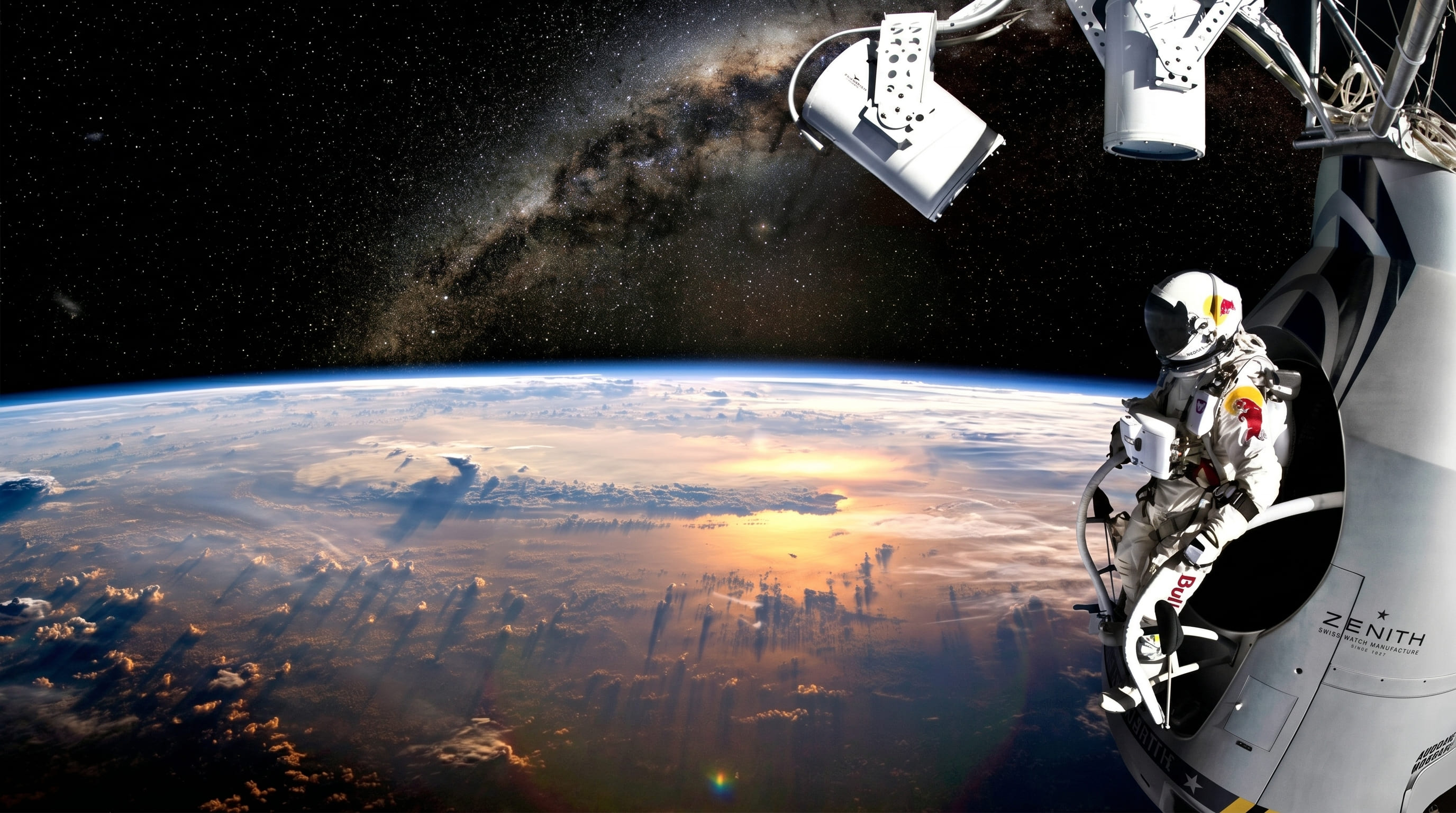
Red Bull Stratos: The Day a Brand Sent a Man to the Edge of Space
On October 14, 2012, Felix Baumgartner stepped off a capsule 128,100 feet above New Mexico and became the first human to break the sound barrier in freefall — and Red Bull produced the whole thing.
Red Bull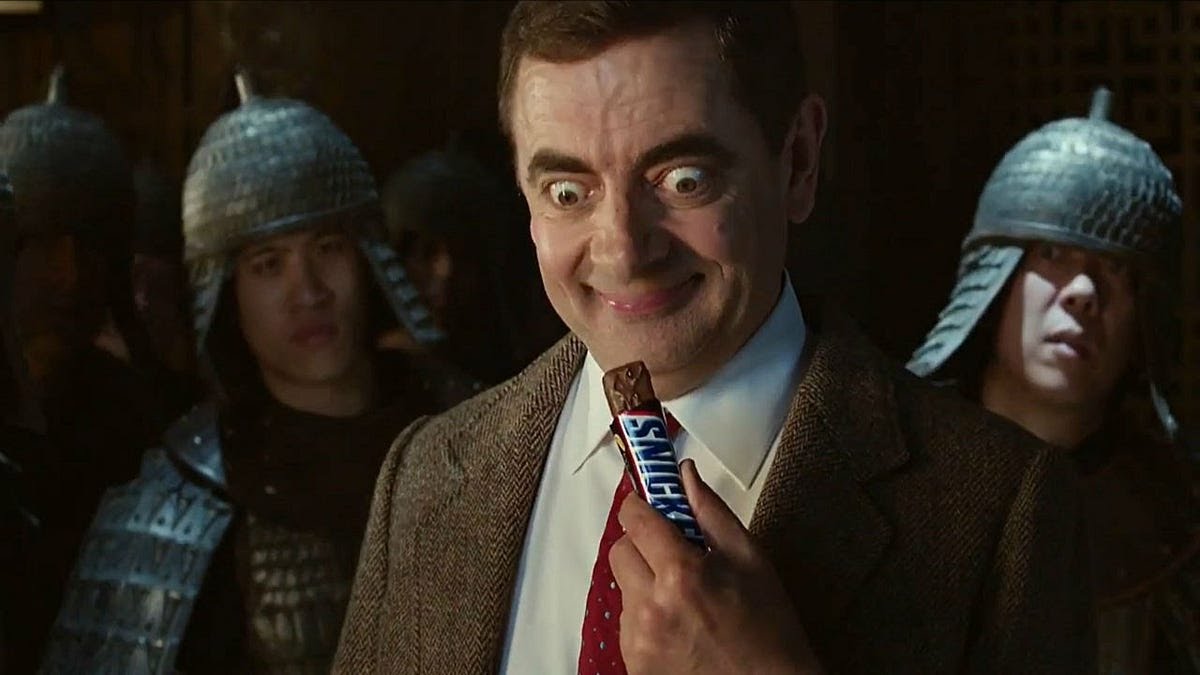
Snickers "You're Not You When You're Hungry": How a Simple Insight Became a Global Platform
A 30-second Super Bowl ad featuring Betty White getting tackled in a football game launched a decade-long global platform that turned Snickers back into the world's best-selling candy bar.
Snickers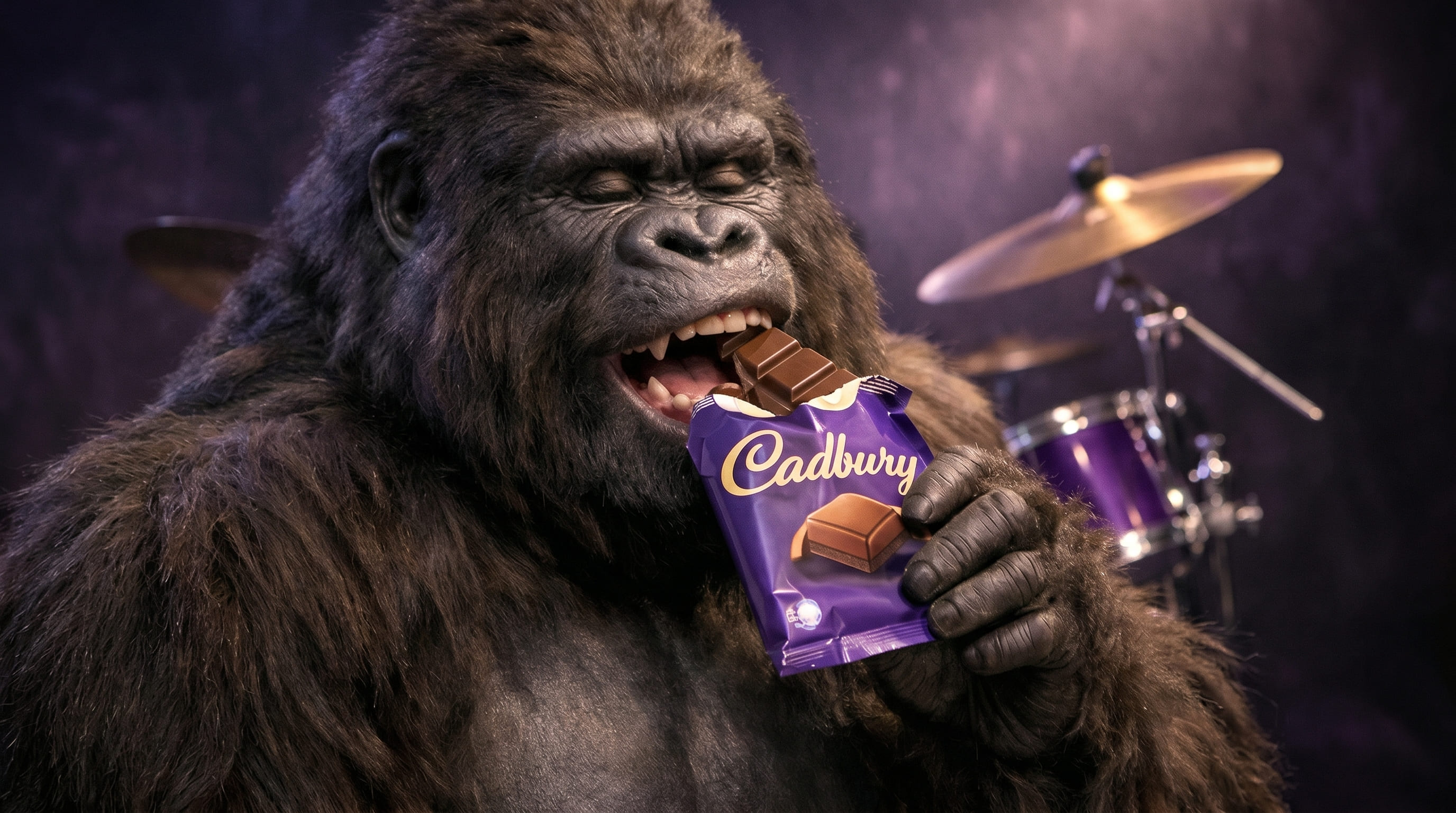
Cadbury's Gorilla: The Ad That Had Nothing to Do With Chocolate
Fallon London rebuilt Cadbury's battered brand after a salmonella crisis by airing a gorilla playing Phil Collins on a drum kit — and never showing chocolate until the final seconds.
Cadbury
"Got Milk?" — The Campaign That Saved a Category by Reframing the Problem
For decades, milk advertising told people milk was good for them. Then Goodby Silverstein asked what happens when you don't have it — and milk consumption in California reversed a decades-long decline.
California Milk Processor Board
Absolut Vodka: The 25-Year Campaign Built Around a Single Object
For 25 years, Absolut ran over 1,500 different ads that were all, at their core, the same ad — a bottle and two words — and that discipline is what made them one of the most recognizable campaigns in history.
Absolut Vodka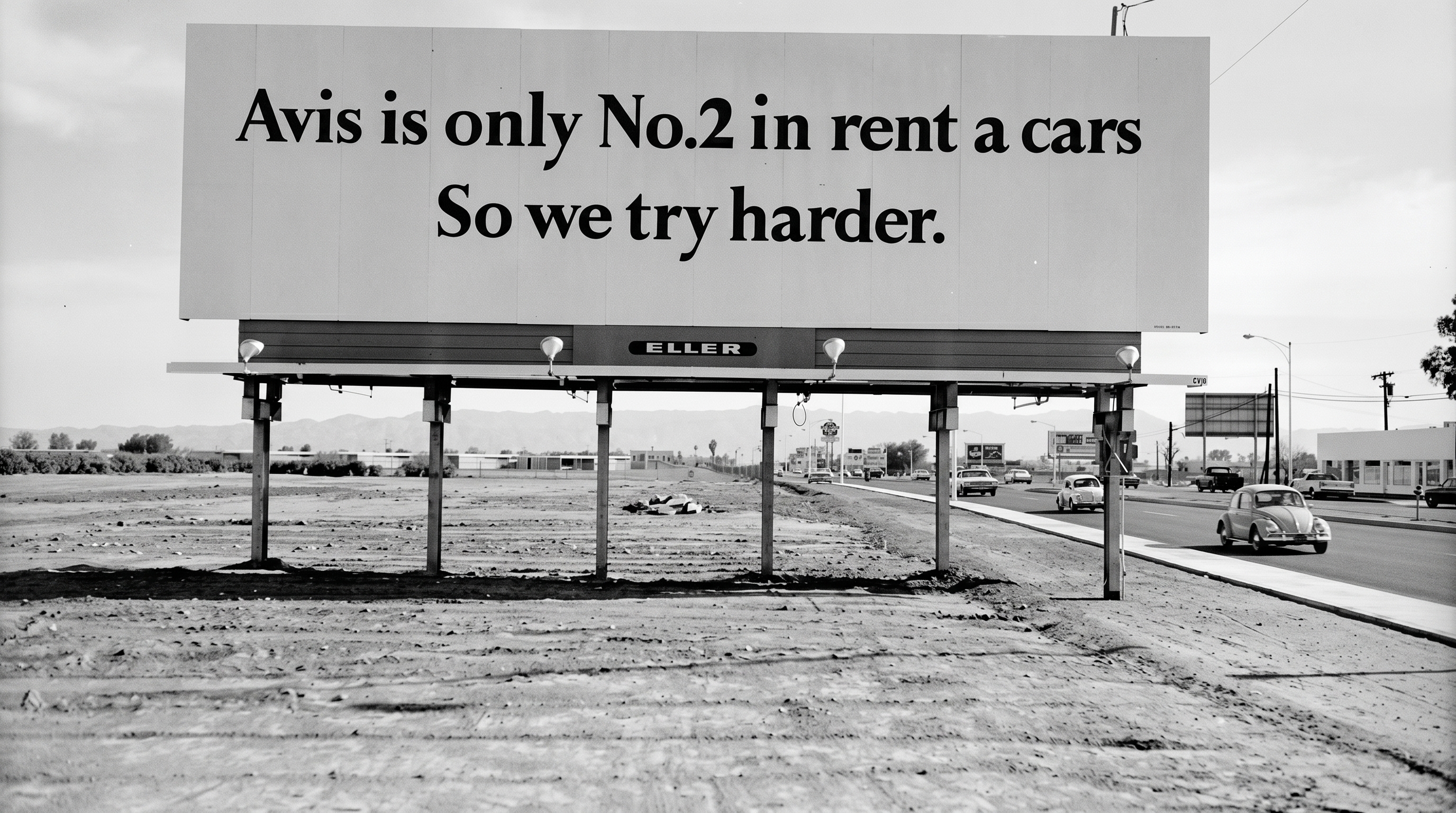
Avis "We Try Harder": The Campaign That Made Being Second an Advantage
In 1962, Avis was losing money and running a distant second to Hertz. DDB's solution was to say so out loud — and it's one of the most effective counter-positioning moves in advertising history.
Avis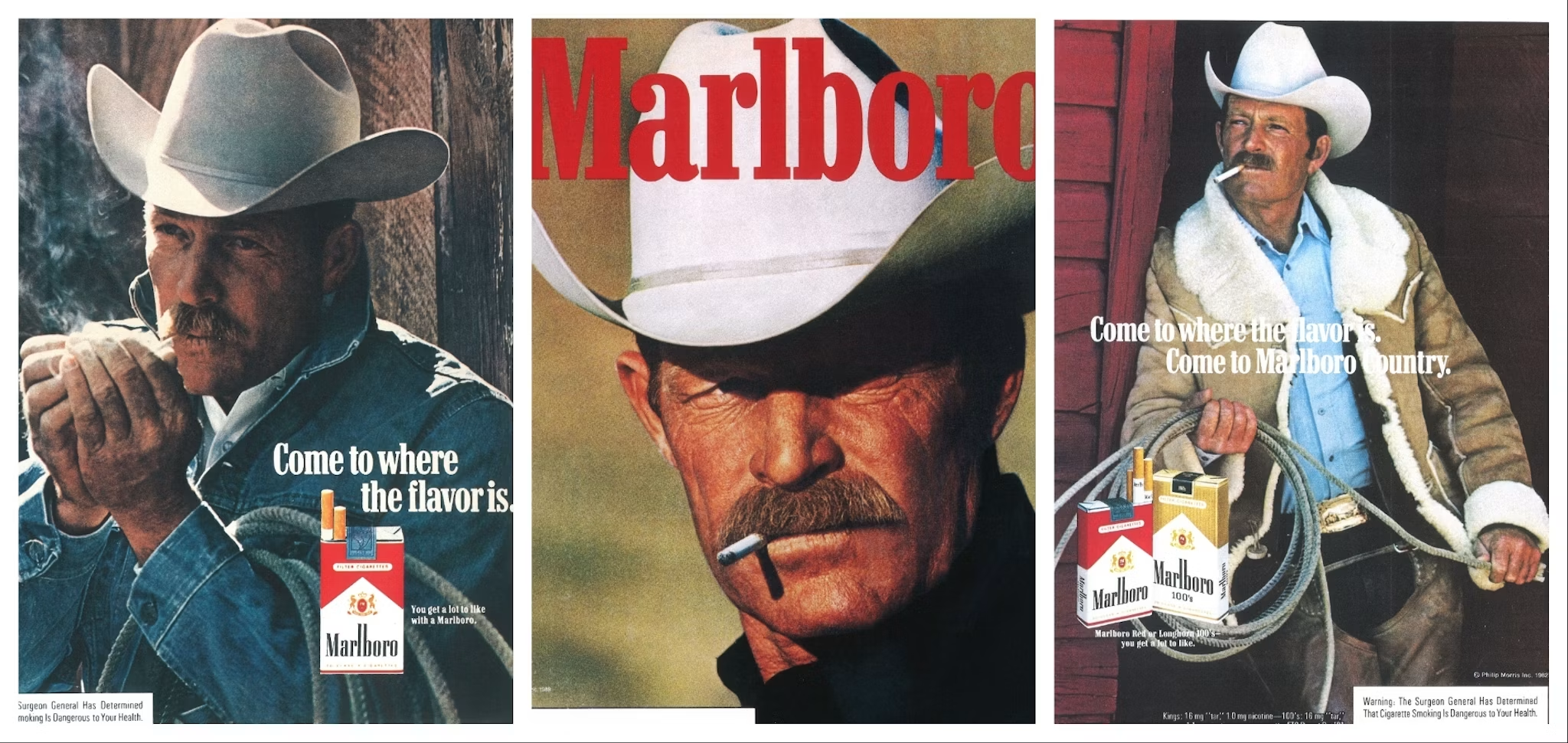
The Marlboro Man Campaign Case Study: How a Feminine Cigarette Brand Became the Best-Selling in the World
In 1954, Leo Burnett took a cigarette marketed with the tagline 'Mild as May' and turned it into the best-selling cigarette in the world. He did it by inventing a cowboy.
Marlboro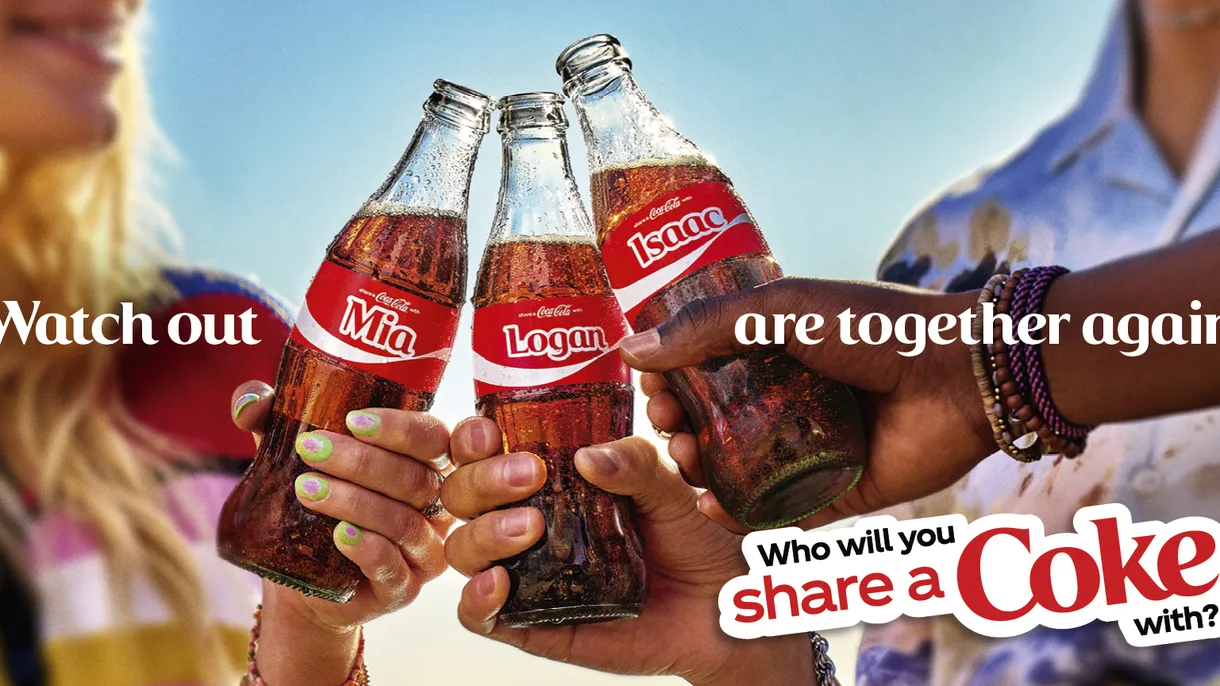
Coca-Cola "Share a Coke" Campaign Case Study
Coca-Cola reversed a decade of declining sales in Australia by doing something no brand manager would sanction: erasing their own logo and replacing it with someone's name.
Coca-Cola
De Beers "A Diamond is Forever": The Ad That Invented a Tradition
Frances Gerety wrote 'A Diamond is Forever' in 1947 without particularly liking it — and in doing so created the most successful manufactured tradition in consumer history.
De Beers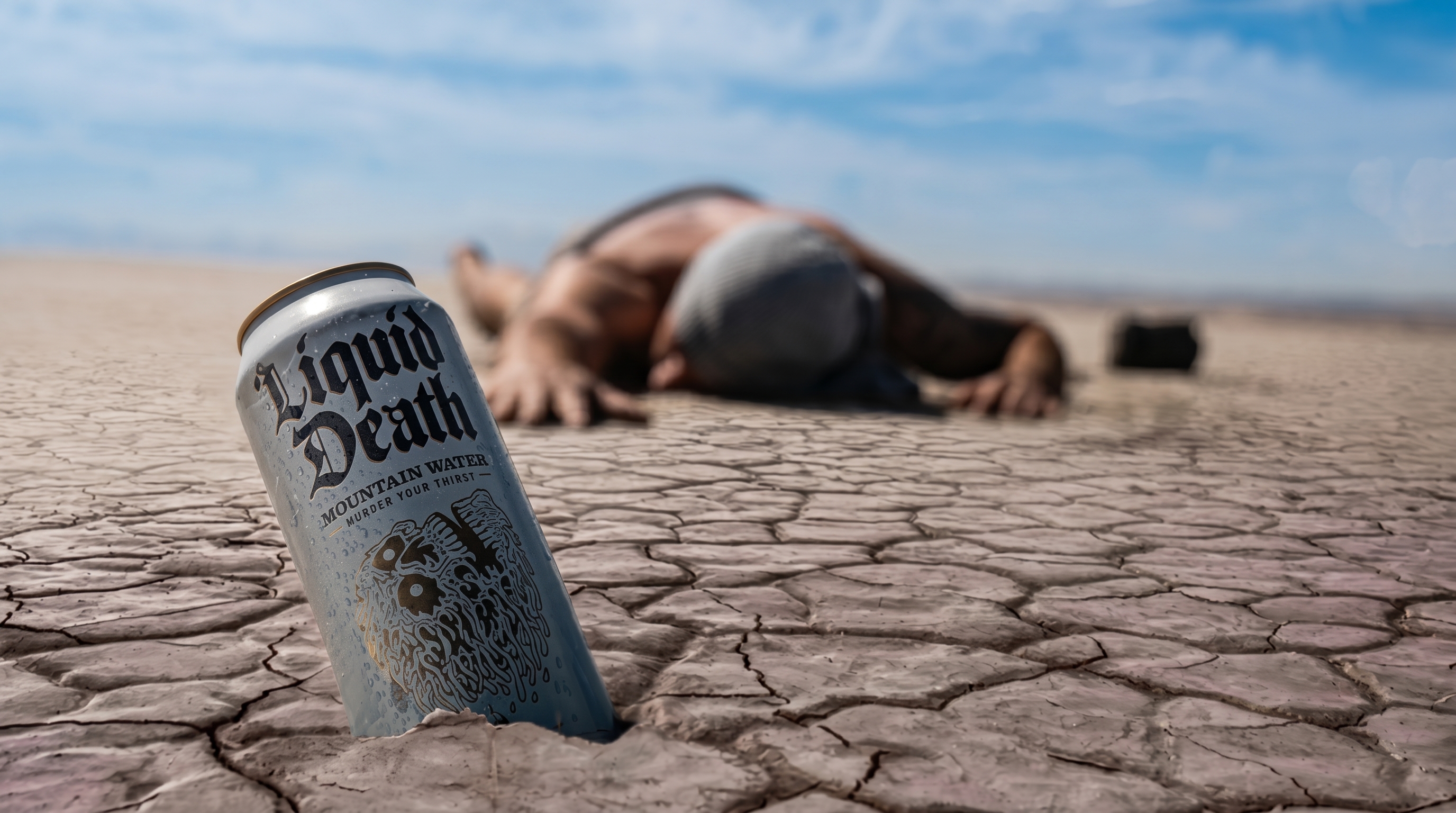
Liquid Death: How a $700M Water Brand Was Built on Heavy Metal Branding
Liquid Death is literally water in a can. The fact that it's a $700 million company is entirely a branding story, and it's one of the more instructive branding stories of the past decade.
Liquid Death
New Coke: The 1985 Marketing Failure Case Study
Coca-Cola ran the most rigorous consumer taste tests in the history of packaged goods, got a clear result, acted on it decisively — and produced one of the most spectacular brand failures of the 20th century, because they were measuring the wrong thing.
Coca-Cola
Burger King "Moldy Whopper" Campaign Case Study
Burger King showed their flagship burger decomposing over 34 days — and won more advertising awards than any other campaign that year, because the rot was the proof.
Burger King
Duolingo on TikTok: What a Giant Owl Mascot Teaches About Brand Personality
Duolingo let a 23-year-old social media manager put their mascot in a costume and act unhinged on TikTok — and it became one of the most successful brand accounts on the platform.
Duolingo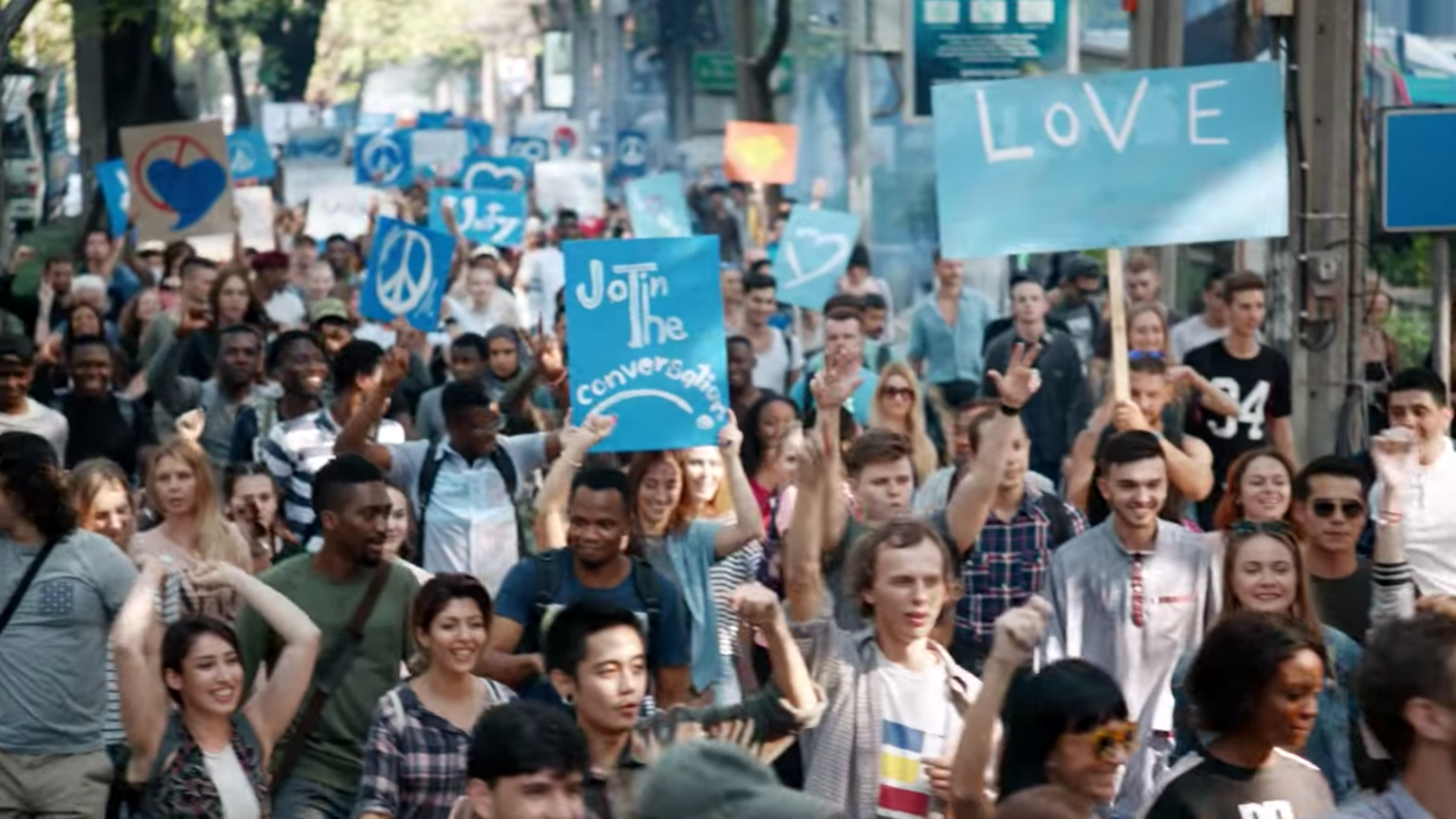
Pepsi Kendall Jenner Ad: A Marketing Failure Case Study
Pepsi's Kendall Jenner ad was pulled within 24 hours — a case study in how purpose-washing fails when there's no genuine connection between a brand and the cause it's appropriating.
Pepsi
Wendy's Twitter Strategy: How a Fast Food Chain Rewrote the Rules of Brand Voice
Wendy's decided to act like a person on Twitter instead of a brand, and in doing so became the most-talked-about fast food account on the internet.
Wendy's
Always "#LikeAGirl" Campaign Case Study
Always turned a phrase used as an insult into one of the most awarded and culturally resonant campaigns of the 2010s — by simply showing what 'like a girl' looks like before someone teaches you it means weak.
Always (P&G)
Spotify Wrapped: How a Data Feature Became a Cultural Moment
Spotify figured out how to turn surveillance into a gift, and in doing so created one of the most reliable annual social media events of the past decade.
Spotify
Dos Equis "Most Interesting Man in the World" Case Study
Dos Equis built one of the most imitated advertising characters in modern marketing by understanding that their real target wasn't beer drinkers — it was a specific aspiration.
Dos Equis
Nike "Dream Crazy" — The Colin Kaepernick Campaign Case Study
Nike put Colin Kaepernick's face on a global ad campaign knowing full well that a percentage of their customers would burn their shoes. They did it anyway.
Nike
Volkswagen "Think Small" Campaign Case Study
In 1959, Bill Bernbach put a tiny car in the corner of a white page and wrote two words that would change advertising forever: Think Small.
Volkswagen
Dove "Real Beauty" Campaign Case Study
Dove built one of the most durable brand platforms of the 21st century by asking a simple question that the entire beauty industry had avoided: what if we showed real women?
Dove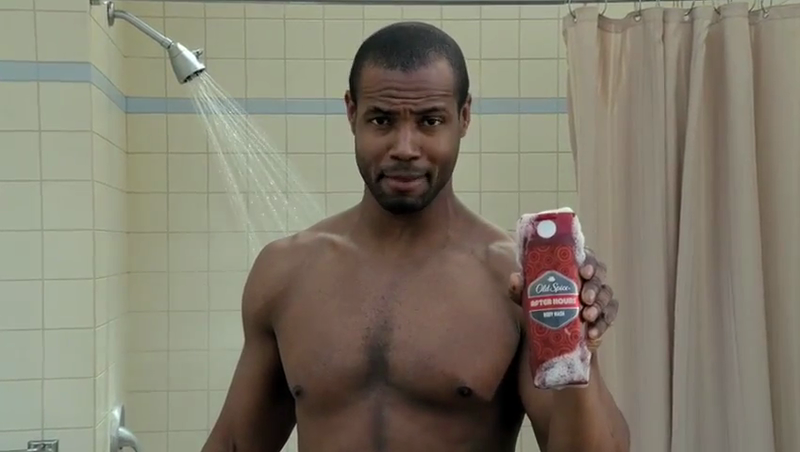
Old Spice "The Man Your Man Could Smell Like" Case Study
Old Spice was your grandfather's aftershave — until Wieden+Kennedy turned a single Super Bowl commercial into a cultural reset that doubled body wash sales in a year.
Old Spice
Apple "Get a Mac" Campaign Case Study
Sixty-six commercials, two actors, a white void, and the most effective identity-based comparative advertising campaign in technology history.
Apple
Apple "1984" Super Bowl Commercial Case Study
The Apple board voted to fire the agency and pull the ad — then the ad aired once and changed advertising forever.
Apple